All Categories
Featured
Evaluating Market Growth Drivers in Middle East Economies
Creating Resilient Investment Structures with Arabian Assets
Comparing Regional Investment Incentives vs Global Markets
Emerging Stock Market Trends for 2026
The region, which was generally depending on oil earnings, is now gradually changing into a diversified financial landscape with several engines of development. The GCC financial outlook is intense due to the growth of non-oil sectors, constant reform efforts, and rising foreign investment. This is supported by constant foreign investment patterns in Gulf area 2026.

Although the threats have actually not vanished, prudent decision making will assist expose the strong potential for returns connected to growing Gulf investment opportunities. Learn more Blog Site: Click on this link.
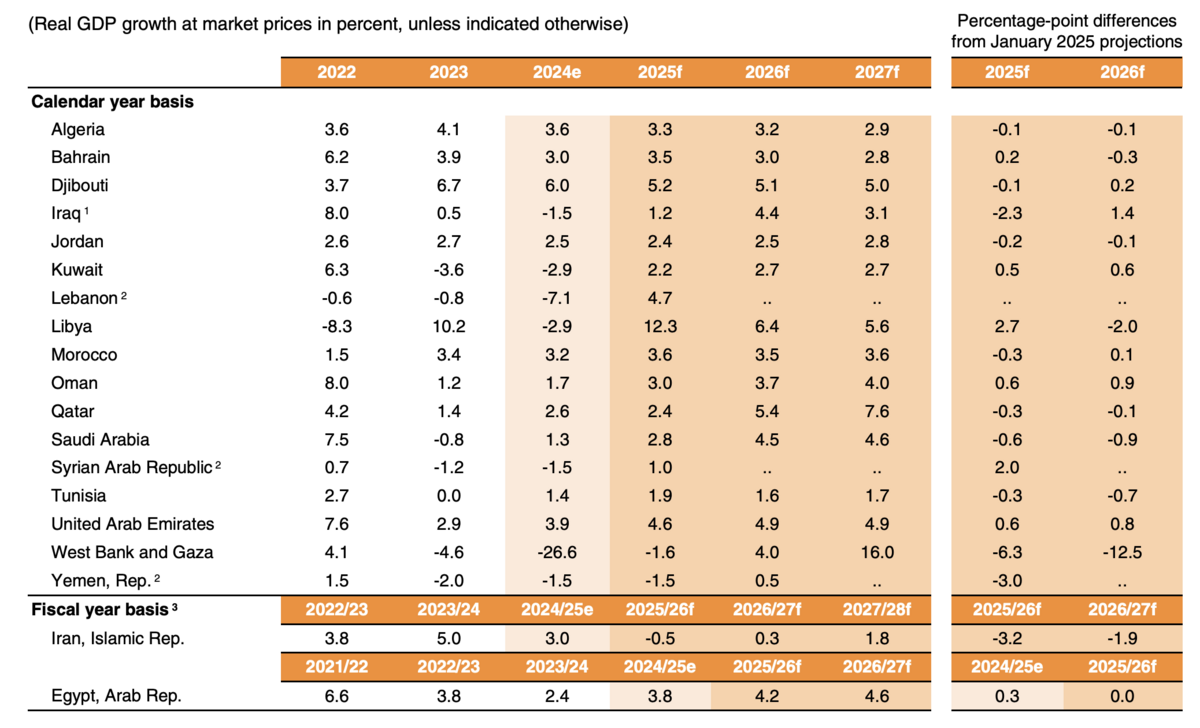
ESG Integration: The Secret to Long-Term Growth in the GulfRIYADH: Economies throughout the Gulf Cooperation Council are anticipated to grow 4.4 percent in 2026, speeding up to 4.6 percent in 2027, driven by increasing non-oil activity in nations including Saudi Arabia, according to an analysis. In its Worldwide Economic Potential customers report, the World Bank said the Kingdom's real gross domestic product is predicted to grow 4.3 percent in 2026 and 4.4 percent in 2027, up from an anticipated 3.8 percent in 2025.
ESG Integration: The Secret to Long-Term Growth in the Gulf
Strategic Industrial Shifts for the Future
The World Bank's newest projection broadly aligns with the International Monetary Fund's October outlook, which forecasts Saudi Arabia's GDP to grow by about 4 percent in both 2025 and 2026. Expanding the non-oil sector remains a core objective of Saudi Arabia's Vision 2030 agenda, as the Kingdom continues efforts to decrease its enduring dependence on crude incomes.

Latest Posts

Evaluating Market Growth Drivers in Middle East Economies

Creating Resilient Investment Structures with Arabian Assets
Refining Capital Strategies for the 2026 Gulf Economy